 Ankara Joins UNESCO’s Tentative List as Model of Modern Capital Planning
The Voice of Chandigarh
Ankara, the capital of the Republic of Türkiye, has been added to UNESCO’s Tentative List of World Heritage Sites, bringing Türkiye’s total entries to 80. Recognised for its meticulously planned urban development and modern architecture, the city stands as a model of 20th-century capital planning.
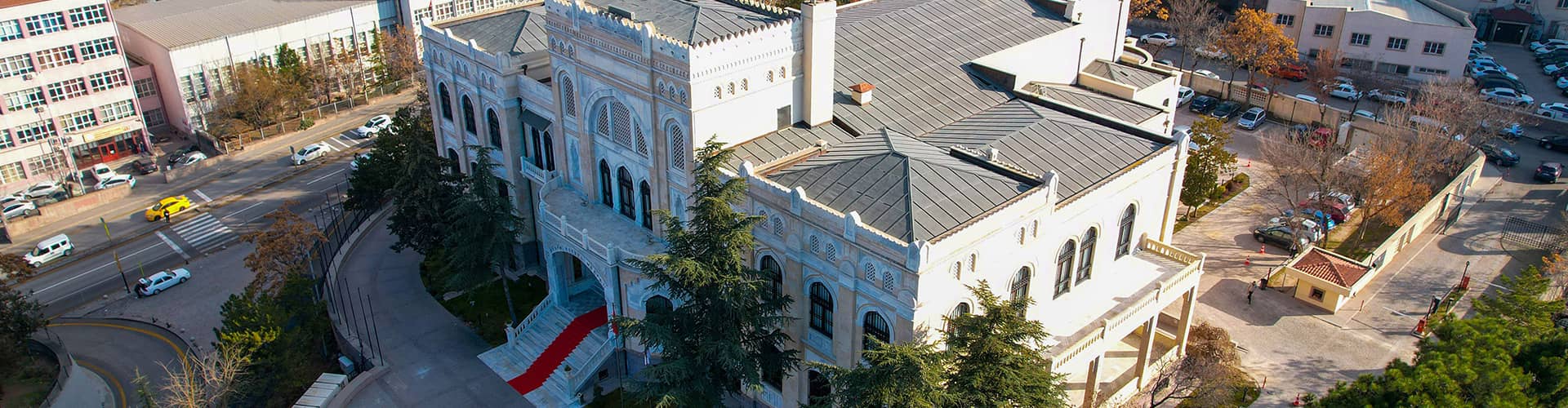 The application, jointly prepared by the Ministry of Culture and Tourism and the Turkish National Commission for UNESCO, is titled “Ankara: The Planning and Building of a Republican Modern Capital City”. It showcases how, between 1920 and 1970, Ankara’s design reflected the ideals of a newly founded nation-state, with public buildings, cultural venues, and open spaces created to symbolise a modern republic.
Key areas featured in the file include Atatürk Boulevard, the Ulus and Kızılay districts, and iconic landmarks such as the First, Second, and Third Grand National Assembly buildings, the Presidential Complex, Güven Park, Youth Park, Ankara Train Station, and the İş Bank headquarters. The nomination falls under UNESCO’s cultural heritage criteria II, IV, and VI.
 Declared capital on 13 October 1923, Ankara replaced Istanbul as the centre of the new republic. Beyond its republican-era architecture, the city boasts a history spanning the Hittite, Phrygian, Roman, and Ottoman periods. Highlights include Gordion, a UNESCO World Heritage Site, and Anıtkabir, the mausoleum of founder Mustafa Kemal Atatürk.
From the Museum of Anatolian Civilisations—Europe’s “Museum of the Year” in 1997—to the State Opera and Ballet, Ankara’s blend of ancient heritage and republican modernism continues to tell the story of Türkiye’s political and cultural evolution.
