 Addressing Risk Preparedness for Kailash Mansarovar Yatra
The Voice of Chandigarh| Travel Trade Reporter
Spiritual tourism is steadily strengthening its position within India’s travel ecosystem. Industry estimates and tourism insights suggest that religious travel continues to contribute significantly to overall traveller movement, with millions of Indians undertaking pilgrimages every year. Over time, this segment has also seen a clear shift from unorganised travel to more structured, operator-led group departures, especially for high-altitude journeys like the Kailash Mansarovar.
 Post-pandemic travel behaviour has only accelerated this trend. Travellers today are increasingly leaning towards purpose-led journeys, where spiritual intent is supported by a need for safety, planning, and reliability. This has naturally led to a rise in demand for premium pilgrimage packages, with travellers showing a greater willingness to invest in better preparedness and end-to-end support.
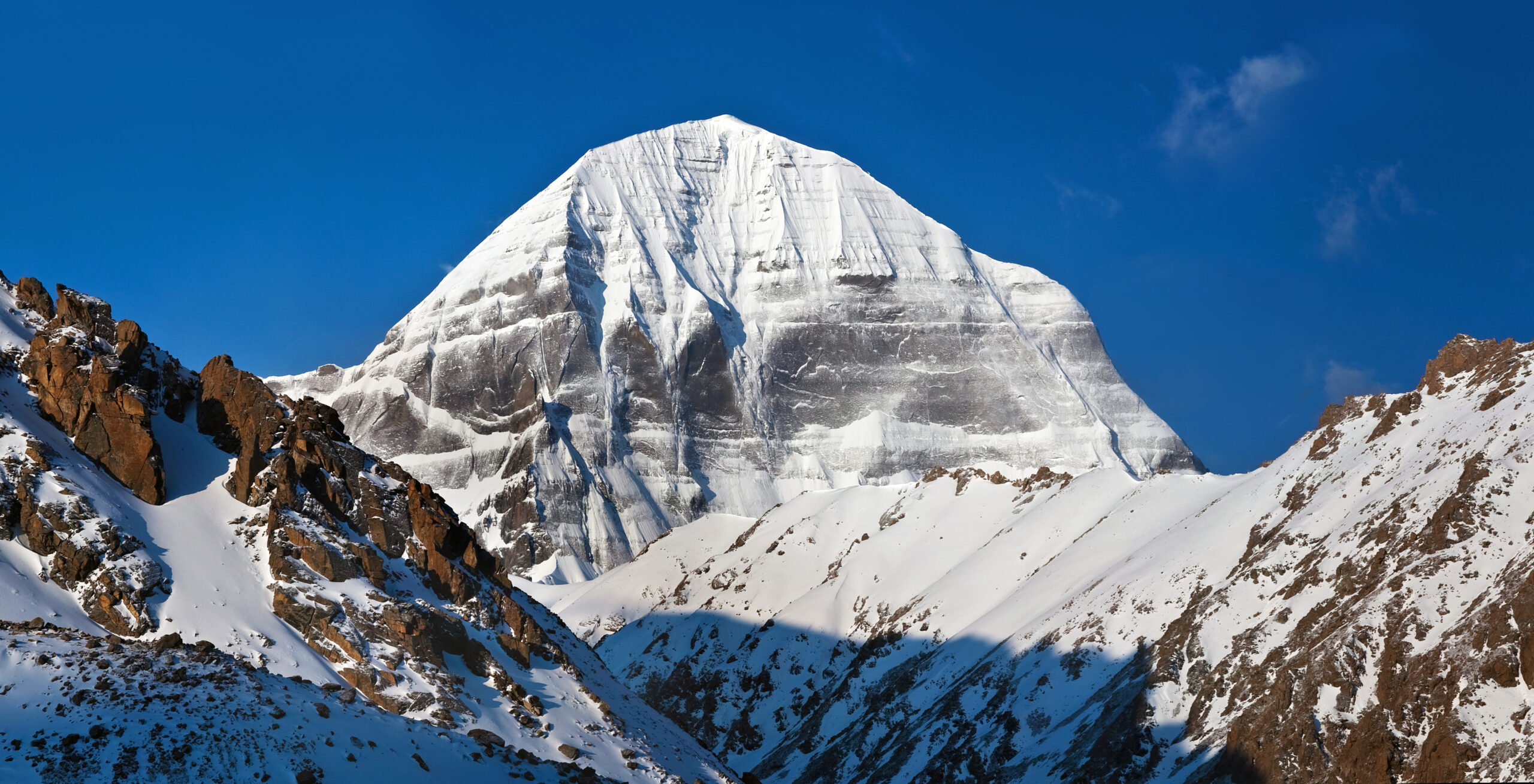
That said, the Kailash Mansarovar Yatra continues to be one of the most challenging journeys in the pilgrimage segment.
A significant proportion of those undertaking the yatra are senior citizens, many of whom may be more vulnerable to such conditions. At altitudes of over 15,000 feet, travellers are exposed to extreme conditions, including low oxygen levels, sub-zero temperatures, and unpredictable terrain. Medical studies have consistently highlighted that prolonged high-altitude exposure can impact travellers, with Acute Mountain Sickness (AMS) being among the most common concerns. What adds to the complexity is the limited access to immediate medical facilities and emergency evacuation support along large parts of the route.
 For tour operators, this brings in a dual responsibility. While managing logistics, there is also a growing need to be prepared for medical or on-ground emergencies. Evacuations from remote areas are not always straightforward and often require specialised intervention such as airlifting, which can be both time-sensitive and expensive.
Weather continues to be another key challenge. Sudden snowfall, landslides, and route closures are not uncommon, and these disruptions can impact itineraries at short notice. For tour operators handling group departures, such situations can quickly become difficult to manage, both operationally and from a customer experience standpoint.
At the same time, increasing footfall has made crowd management an important consideration. Movement through narrow and challenging routes carries its own set of risks, including accidental injuries and on-ground incidents. In many ways, the role of travel professionals today is going beyond planning itineraries to ensuring that travellers are adequately prepared for such realities.
This shift is also visible in traveller expectations. Today’s pilgrims are more aware and are actively looking for reassurance in the form of structured risk coverage as part of their travel plans.
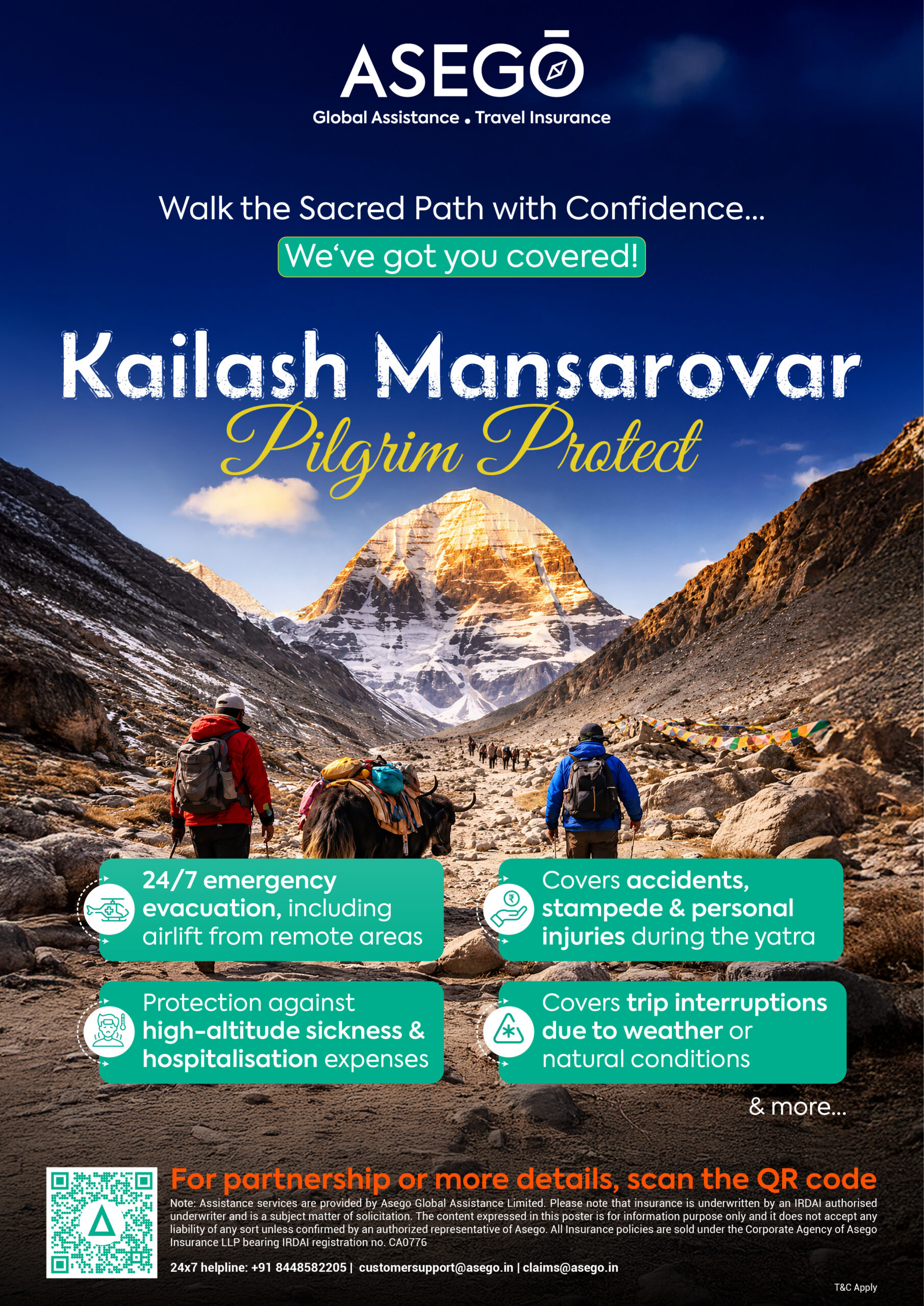
Recognising this need, Asego’s Kailash Mansarovar Pilgrim Protect is designed to address the unique challenges associated with this journey.
The offering focuses on both medical and travel-related uncertainties. It includes 24/7 emergency evacuation support, including airlift services from remote regions, which is critical given the terrain and altitude. It also covers high-altitude sickness and hospitalisation, helping travellers manage medical situations without added financial stress.
In addition, the plan provides coverage for accidents, personal injuries, and other unforeseen incidents during the journey. It also addresses disruptions caused by weather or natural conditions, allowing both travellers and operators to handle such situations with greater confidence.
Beyond on-ground risks, the journey to Kailash Mansarovar itself varies depending on the route chosen. Travellers opting for air-based itineraries via Kathmandu and Nepalgunj benefit from reduced travel time, but remain highly dependent on weather conditions, often leading to delays or rescheduling. Overland routes, on the other hand, allow for gradual acclimatisation but involve long travel hours and are susceptible to road disruptions, especially during certain seasons.
These multi-leg journeys bring additional challenges such as baggage handling across transit points, extended waiting periods, and limited connectivity in remote regions.
To address these aspects, Asego also offers a smart add-on service – BOLT as part of its broader travel ecosystem. Real-time baggage tracking helps travellers stay informed across multiple transfers, lounge access offers comfort during long or unexpected delays, and global eSIM services ensure seamless connectivity even in low-network zones.
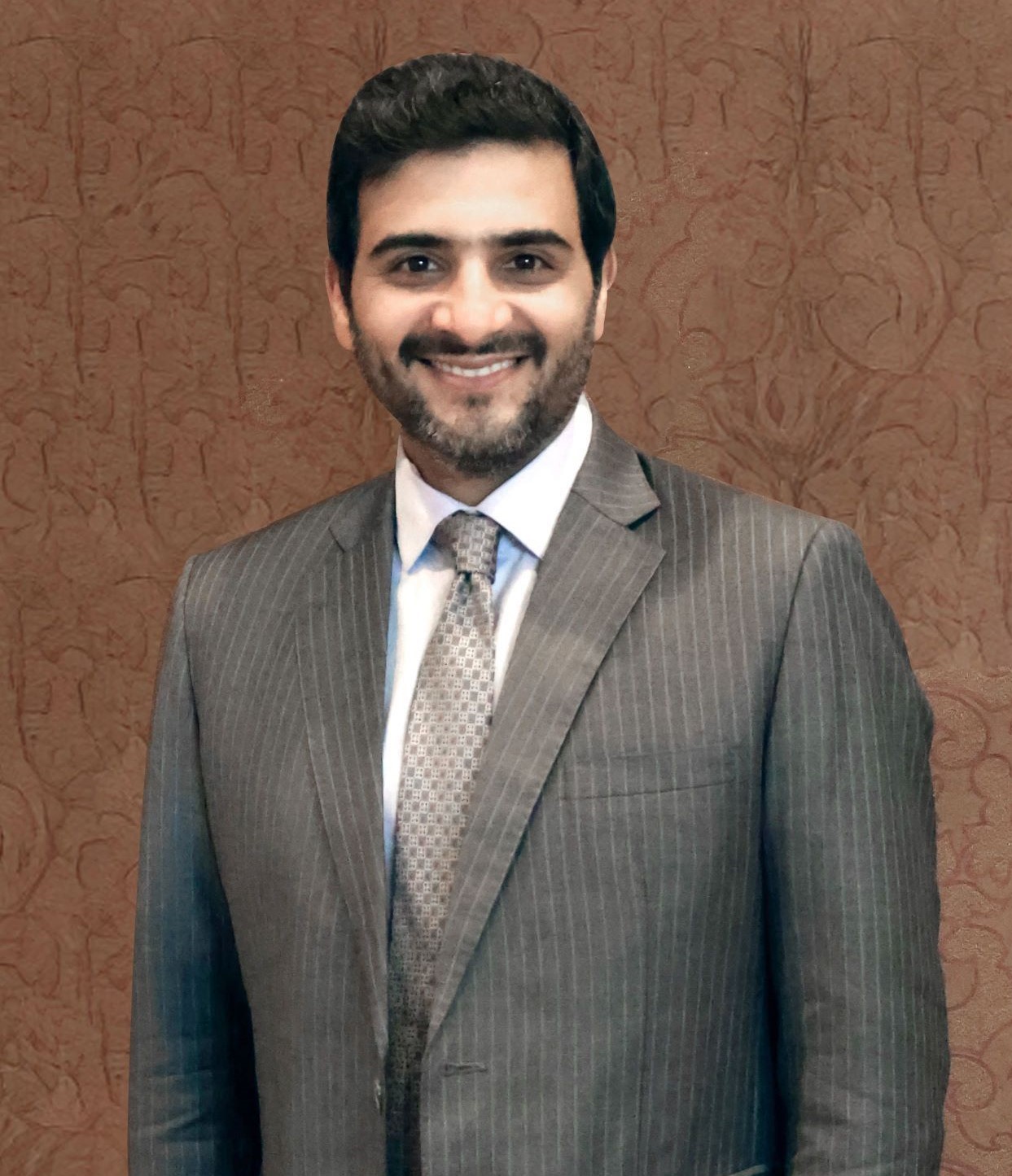
Dev Karvat, Founder & CEO, Asego, said:
“Spiritual journeys like Kailash Mansarovar are deeply meaningful, but they also come with inherent risks due to terrain and altitude. As an industry, it is important that we move beyond facilitation and focus on preparedness. At Asego, our approach is to combine assistance, protection, and awareness so that travellers can undertake such journeys with confidence, and our travel partners can deliver them responsibly.”
