 Balancing Digital and Offline Learning-A Message for the Future of Our Children
The Voice Chandigarh News :
In today’s fast-paced world, where technology is intertwined with every aspect of our lives, education too has undergone a digital revolution. Classrooms have evolved into smart rooms, digital screens have replaced blackboards, and textbooks have found their digital counterparts. While these advancements bring immense opportunities, they also raise a crucial question: are we caring enough for the mental, physical, and emotional health of our students? As a society, it is time we pause, reflect, and embrace a more balanced approach to learning that respects the needs of the whole child.
Digital learning has undoubtedly opened up a vast universe of knowledge. With just a click, students can explore subjects from quantum physics to ancient history, attend classes conducted by global educators, and interact with multimedia content that makes learning dynamic and engaging. Visual tools help simplify complex topics, and the self-paced nature of digital learning empowers students to take control of their academic journeys. Most importantly, digital platforms have made education more inclusive. Children with learning disabilities or those in remote areas now have access to resources they couldn’t have imagined before. In many ways, technology has become a great equalizer.
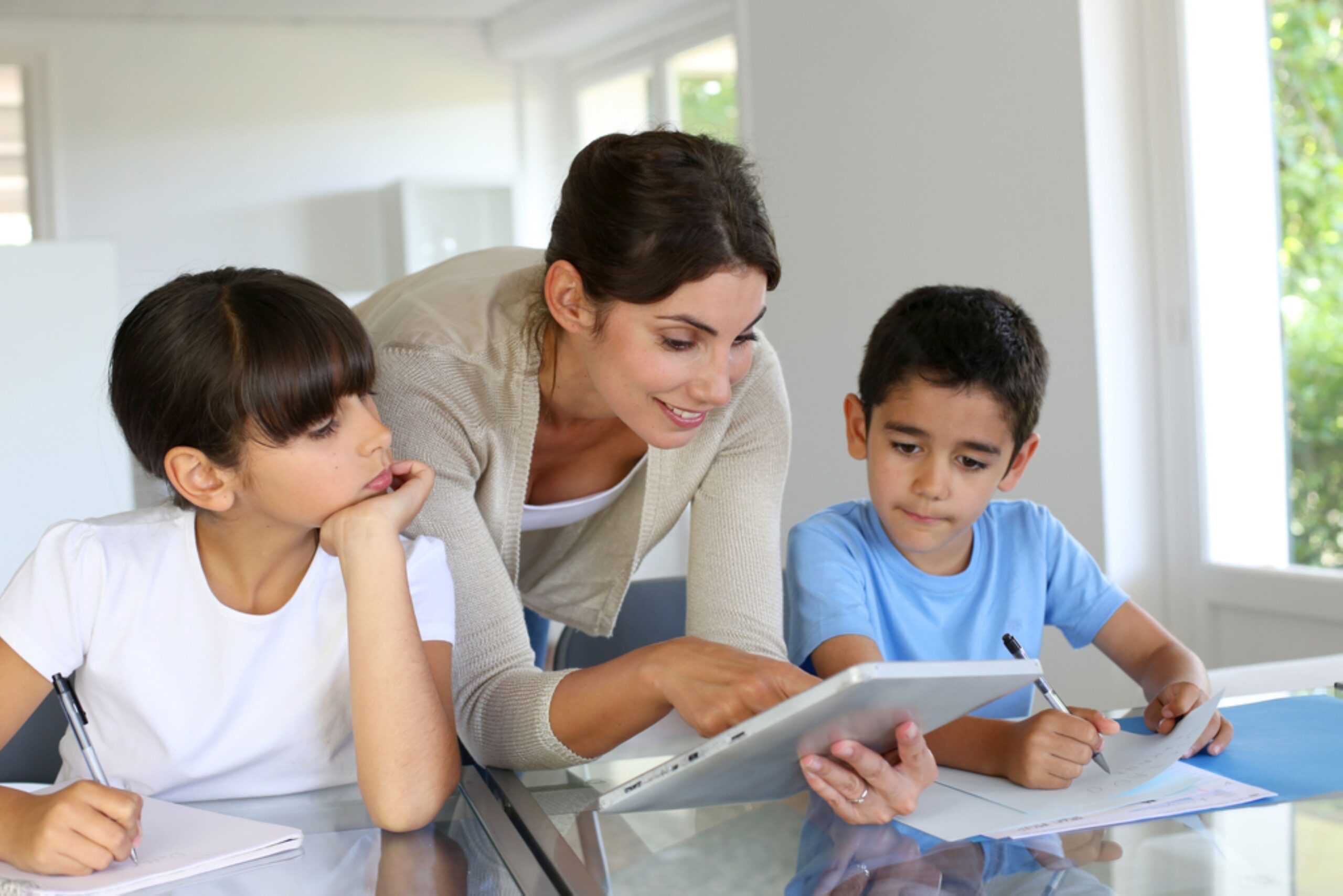
However, in the pursuit of progress, we must not lose sight of the child behind the screen. Hours spent in front of digital devices can silently erode a child’s connection with reality. The joy of flipping through pages, the excitement of an interactive classroom discussion, the thrill of discovering something on a field trip — these experiences are irreplaceable. They are not just learning moments; they are life-building moments. Without them, education becomes hollow, detached from the world it is supposed to prepare children for.
This is where offline learning becomes not just relevant but essential. Walking through a botanical garden, touching soil during a science project, role-playing historical characters, or even simply reading a book under a tree — these are not old-fashioned practices; they are timeless tools for learning. They ground children in the real world and awaken a sense of curiosity and creativity that no screen can replicate. Offline learning also teaches discipline, face-to-face communication, and empathy, values that are increasingly at risk in a hyperconnected digital age.
As educators, parents, and caretakers of the next generation, we must strive for balance. The future does not lie in choosing one over the other, but in blending the best of both worlds. Imagine a student who learns about marine life through a documentary and then visits a nearby lake to observe aquatic plants. Or a child who watches a video on ancient civilizations and then builds a miniature model of a Roman amphitheater. When digital knowledge is reinforced with physical experience, the learning becomes deeper, more personal, and long-lasting.
Moreover, a balanced approach nurtures emotional well-being. Reducing screen time, encouraging outdoor play, and building routines that include both tech and nature create healthier, happier children. It gives them space to breathe, to imagine, to rest their eyes and minds. It helps them develop self-awareness and teaches them how to use technology mindfully rather than being consumed by it.
Let us not forget: education is not merely about academic excellence. It is about shaping human beings who are thoughtful, creative, kind, and strong. When we care for the whole child — their mind, body, and soul — we prepare them not just for exams, but for life. In our hands lies the responsibility to protect the future of our children.
Let us guide them to walk both the digital road and the earthly path, to soar high with technology but stay grounded in reality. Let us teach them that wisdom comes not just from knowing everything on the internet, but from feeling, experiencing, and connecting with the world around them.
Let this be our collective message as a society: We care — not just for how much our children know, but for who they become.
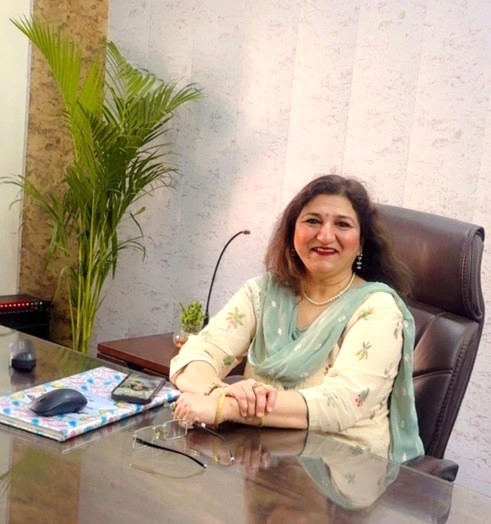 YASHUMATI
PRINCIPAL
GSSS BEHLOLPUR | SAS NAGAR
