 Bharat Taxi Launched: India Introduces First Cooperative Ride-Hailing Platform
New Delhi, February 5, 2026 — India witnessed the launch of Bharat Taxi, the country’s first cooperative-based ride-hailing platform, marking a significant shift in the urban mobility and gig-economy landscape. The service was formally inaugurated in the national capital, positioning itself as an alternative to existing private aggregators such as Uber and Ola.
Bharat Taxi has been developed under a driver-owned cooperative model, where drivers are stakeholders rather than contractual service providers. The initiative aims to address long-standing concerns related to high commissions, surge pricing and limited social security benefits in app-based transport services.
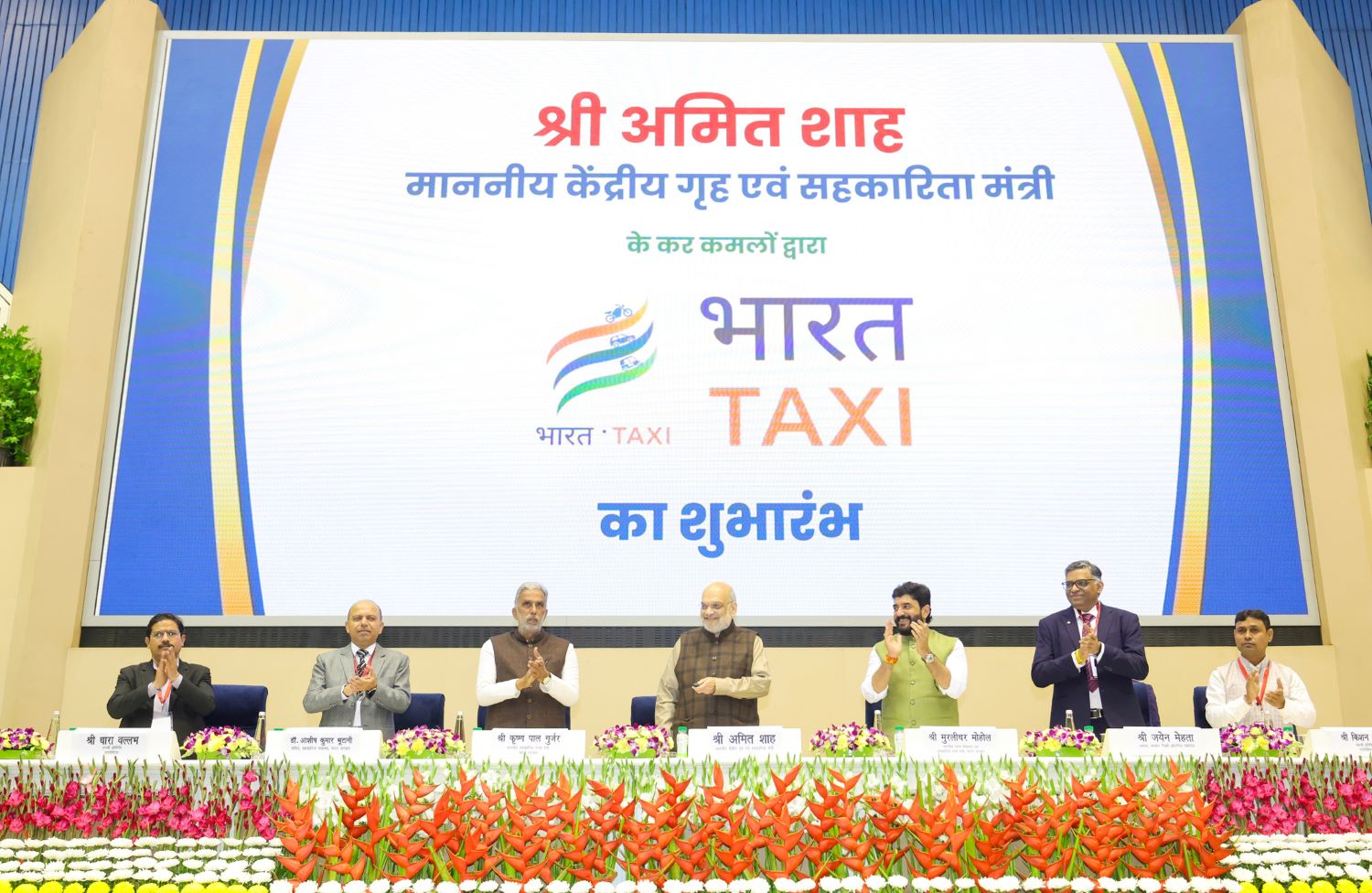 A Cooperative-Driven Model
Unlike conventional ride-hailing platforms, Bharat Taxi operates with zero per-ride commission for drivers and follows a surge-free pricing structure. Earnings from each trip are transferred directly to drivers, who are referred to as Sarathis, ensuring greater income transparency and financial control.
The platform supports multiple vehicle categories, including taxis, auto-rickshaws and two-wheelers, allowing it to cater to diverse urban and semi-urban mobility needs. The cooperative has been registered under the Multi-State Cooperative Societies Act, giving drivers collective ownership and decision-making rights.
Pilot Phase and Early Adoption
Prior to its official launch, Bharat Taxi underwent a pilot phase in Delhi-NCR and parts of Gujarat. During this period, the platform recorded strong early participation, with several lakh drivers enrolling and thousands of rides being completed daily. According to officials associated with the project, the pilot demonstrated the commercial viability of a cooperative approach in the ride-hailing sector.
Focus on Driver Welfare
In addition to income security, the platform places emphasis on driver welfare measures, including accident and health insurance coverage, access to support centres, and training facilities. Special initiatives have also been introduced to encourage greater participation of women drivers, aiming to improve inclusivity within the sector.
Drivers are not bound by exclusivity clauses, allowing them the flexibility to operate on other platforms if they choose.
 Expansion Plans
Bharat Taxi’s services are currently active in select regions, with plans to expand nationwide over the next two to three years. The cooperative intends to scale operations gradually, focusing on service reliability, digital integration and safety standards as it enters new markets.
Impact on the Ride-Hailing Market
The launch of Bharat Taxi comes at a time when India’s ride-hailing industry is facing increased scrutiny over pricing practices and working conditions. By introducing a driver-centric ownership model, the platform adds a new dimension to competition in the sector.
Industry observers note that while the cooperative model has the potential to improve driver satisfaction and fare stability, its long-term success will depend on user adoption, operational efficiency and its ability to compete with established players on technology and availability.
 Key Highlights
-
Platform: Bharat Taxi
-
Model: Cooperative, driver-owned
-
Pricing: Zero commission, no surge pricing
-
Services: Taxi, auto-rickshaw and two-wheeler rides
-
Initial Rollout: Delhi-NCR and Gujarat
-
Expansion Timeline: Nationwide in 2–3 years
As Bharat Taxi begins its journey, its performance will be closely watched as a test case for cooperative entrepreneurship in India’s fast-growing digital mobility ecosystem.
