 Deputy Commissioner Reviews Online Tenancy Portal Ahead of Public Launch
User-Friendly Digital Platform to Facilitate Registration of Tenancy Agreements
The Voice of Chandigarh
A meeting was held under the chairmanship of the Deputy Commissioner, UT Chandigarh, Nishant Kumar Yadav, IAS, to review the online Tenancy Portal being developed for implementation of the Chandigarh Tenancy Rules, 2026, before its launch for the residents of the city. The meeting was attended by the Additional Deputy Commissioner, Tehsildars and officers of the National Informatics Centre (NIC).
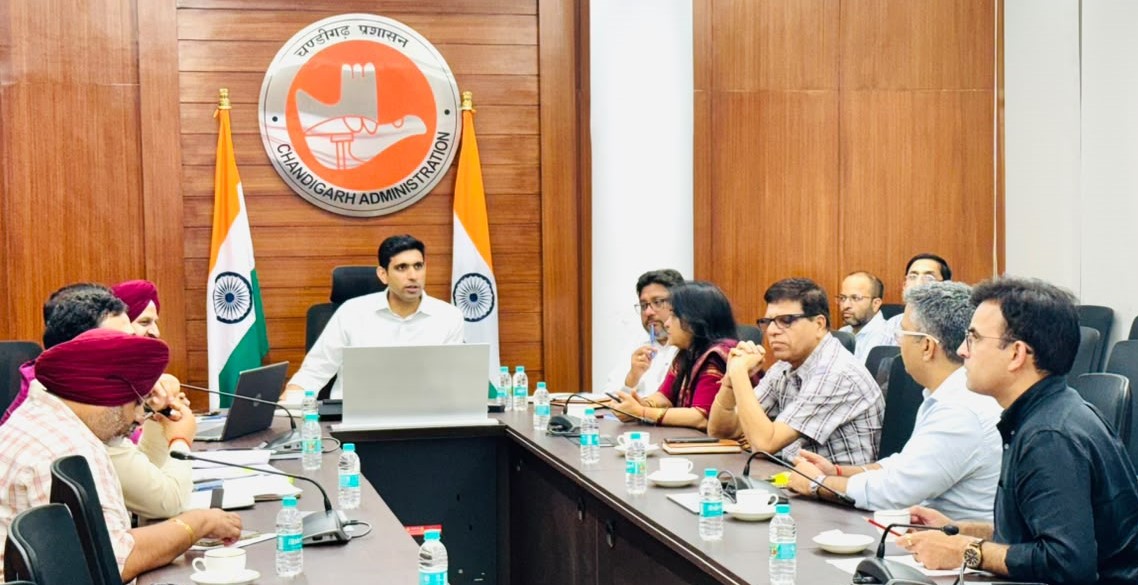
During the meeting, NIC officers gave a detailed presentation and demonstrated the complete online workflow, including registration of tenancy agreements, generation of a Unique Identification Number (UIN), filing of applications for rent revision and the proposed online grievance redressal mechanism. Applicants will be able to avail these services through the Government of India’s ServicePlus portal.
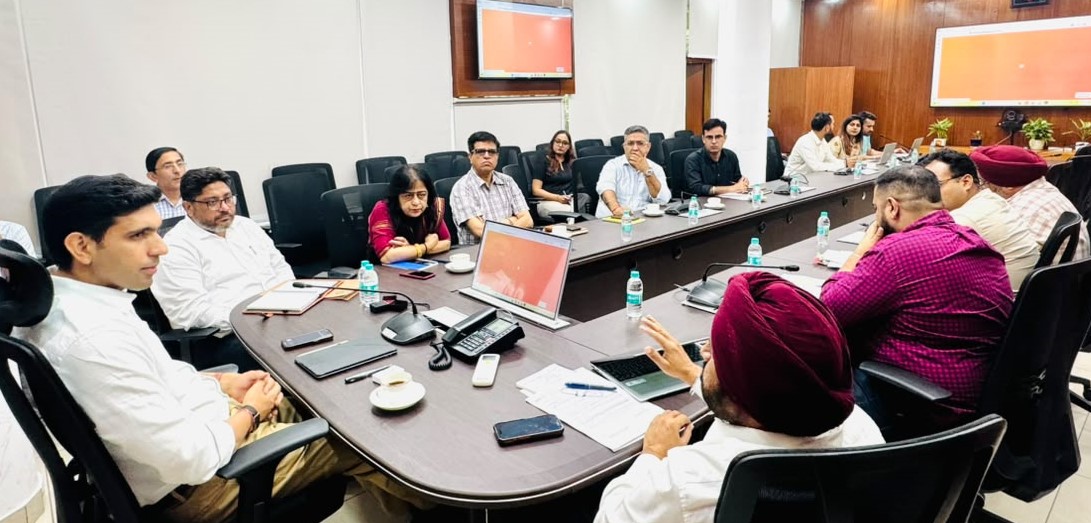
After reviewing the portal, the Deputy Commissioner directed NIC to make the platform more user-friendly and accessible for the convenience of the general public. He also instructed that the portal be made available in the local vernacular and be thoroughly tested before being rolled out for public use, enabling landlords and tenants to register tenancy agreements and access services with ease.
The Chandigarh Tenancy Rules, 2026, framed under Section 44 of the Assam Tenancy Act, 2021, as extended to the Union Territory of Chandigarh, have been published for inviting objections and suggestions from stakeholders within 30 days of the notification. The proposed framework provides for online registration of tenancy agreements, issuance of a Unique Identification Number within seven days, secure and confidential handling of tenancy data, OTP-based verification, online rent revision, time-bound dispute resolution and easier access to tenancy-related services. The initiative is aimed at formalising the rental housing sector in Chandigarh, ensuring transparent and time-bound redressal of disputes between landlords and tenants and reducing the burden on regular civil courts.
