
Centre on High Alert Over H1N1: JP Nadda Reviews Preparedness, Calls for Vigilance and Robust Surveillance
The Voice of Chandigarh
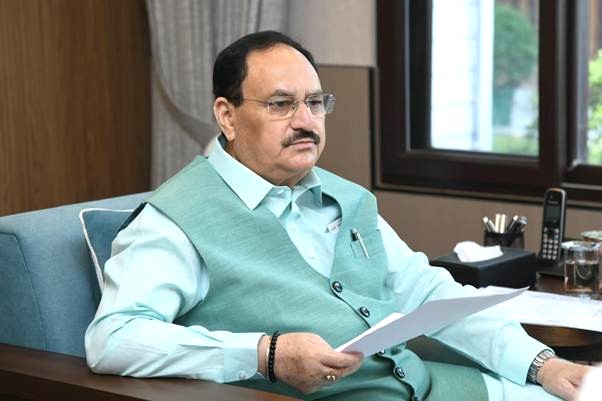
Union Health and Family Welfare Minister J.P. Nadda reviewed the prevailing H1N1 influenza situation and the preparedness of health authorities across the country, with special focus on the National Capital.
Delhi Health Minister Dr. Pankaj Kumar Singh also attended the high-level meeting, during which the Union Health Minister took stock of influenza surveillance, epidemiological trends, testing and laboratory facilities, as well as the preparedness of hospitals to handle seasonal influenza cases.
Focus on Early Detection and Hospital Preparedness
Nadda emphasised the need for continued vigilance, robust surveillance and proactive preparedness, directing authorities to closely monitor influenza trends and ensure timely identification and management of any unusual rise or clustering of cases.
The preparedness of healthcare facilities in Delhi was also reviewed, including the availability of hospital beds, critical-care facilities, oxygen-supported beds, ventilators, essential medicines, diagnostic facilities and other critical supplies. The Minister stressed the need to maintain adequate surge capacity and seamless referral mechanisms for patients requiring specialised or critical care.
He further called for strengthening early detection, timely testing and appropriate clinical management of influenza cases while making effective use of the existing surveillance and laboratory network.
States Asked to Strengthen Surveillance
Earlier, on July 10, 2026, the Union Health Secretary had advised all States and Union Territories to strengthen preparedness and surveillance for Acute Respiratory Illness (ARI) and ensure that healthcare facilities remained adequately prepared.
Nadda also underlined the importance of public awareness and preventive health practices, particularly respiratory hygiene and regular hand hygiene. People experiencing persistent or severe respiratory symptoms, breathing difficulty or other warning signs were advised to seek medical advice without delay.
Coordinated Approach Against Seasonal Diseases
The Union Health Minister said the situation is being closely and continuously monitored, while calling for sustained and coordinated efforts to prevent and control seasonal diseases, including Dengue and Malaria.
He urged State Governments to adopt a proactive preparedness-oriented approach and encouraged Municipal Councillors and local bodies to play an active role in spreading awareness among communities about the prevention, transmission and control of seasonal diseases.
Highlighting the increase in TB detection in the National Capital through the active participation of local bodies and a whole-of-government approach, Nadda stressed the importance of public representatives at all levels in disseminating factual, evidence-based information and strengthening community engagement.
The Health Ministry said it continues to coordinate closely with States and UTs, hospitals, laboratories and other stakeholders to ensure effective surveillance, early detection, timely clinical management and preparedness for seasonal influenza, including H1N1.
The meeting was attended by Union Health Secretary Punya Salila Srivastava, Additional Secretary (Public Health) Dr. Rakesh Gupta, Delhi State Health Secretary Rupesh Kumar Thakur and other senior officers.
